
How to Build a Thriving Vegetable Garden at Home

Growing your own vegetables at home is a rewarding way to enjoy fresh, healthy food while connecting with nature. Many people want to start a vegetable garden but feel overwhelmed by where to begin. This guide will walk you through practical steps to create a thriving vegetable garden, even if you have limited space or experience.
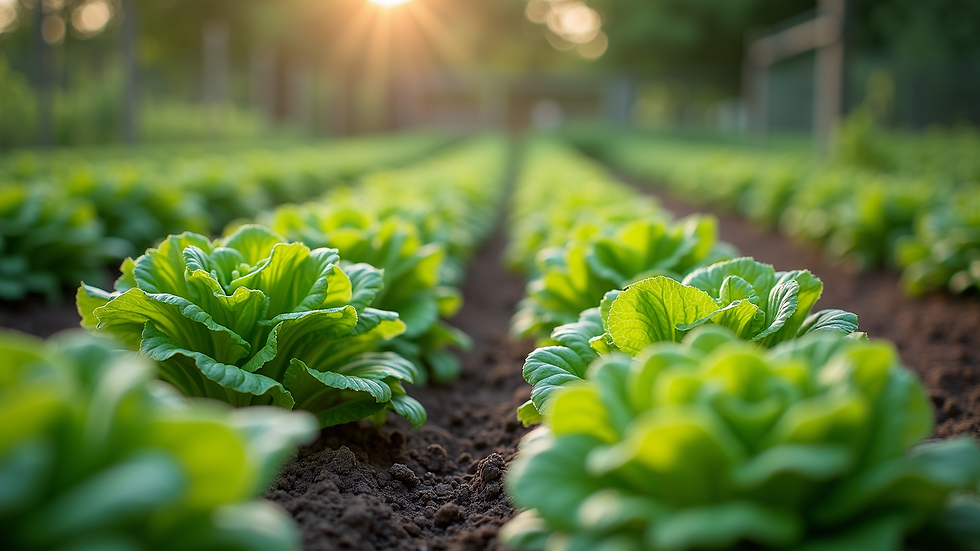
Choosing the Right Location for Your Garden
The success of your vegetable garden depends heavily on where you plant it. Vegetables need plenty of sunlight to grow well, so pick a spot that receives at least six hours of direct sun daily. Avoid shady areas near large trees or buildings.
Consider the following when selecting your garden location:
Sunlight exposure: Most vegetables require full sun. South-facing areas usually get the most light.
Soil drainage: The soil should drain well. Avoid low spots where water collects.
Accessibility: Choose a spot close to your kitchen or water source for easy maintenance.
Protection from wind: Strong winds can damage plants, so a sheltered area is ideal.
If you don’t have a yard, you can still grow vegetables in containers on a balcony or windowsill with sufficient sunlight.
Preparing the Soil for Planting
Healthy soil is the foundation of a productive vegetable garden. Before planting, test your soil to understand its texture and nutrient levels. You can buy a simple soil test kit at garden centers or send a sample to a local extension service.
Steps to prepare your soil:
Clear the area: Remove grass, weeds, and debris.
Loosen the soil: Use a garden fork or tiller to break up compacted soil to a depth of 8-12 inches.
Add organic matter: Mix in compost, aged manure, or leaf mold to improve soil fertility and structure.
Adjust pH if needed: Most vegetables prefer slightly acidic to neutral soil (pH 6.0-7.0). Lime can raise pH, sulfur can lower it.
Level the soil: Rake the area smooth to create an even planting surface.
Good soil holds moisture but drains excess water, allowing roots to breathe and grow strong.
Selecting Vegetables to Grow
Choose vegetables that suit your climate, space, and taste preferences. Start with easy-to-grow varieties to build confidence. Here are some beginner-friendly options:
Leafy greens: Lettuce, spinach, kale
Root vegetables: Carrots, radishes, beets
Fruit vegetables: Tomatoes, peppers, cucumbers
Legumes: Green beans, peas
Consider the length of your growing season. Some vegetables mature quickly, while others need more time. Planting a mix of fast and slow growers helps maintain a steady harvest.
Planting Your Vegetable Garden
Follow seed packet instructions or plant labels for spacing and depth. Overcrowding plants reduces airflow and increases disease risk. Use these tips for planting success:
Start seeds indoors: For longer seasons, start seeds inside 4-6 weeks before the last frost date.
Direct sow: Some vegetables like carrots and beans grow best when sown directly in the garden.
Water gently: After planting, water the soil gently to avoid washing away seeds.
Mulch: Apply a layer of organic mulch like straw or shredded leaves to retain moisture and suppress weeds.
Mark rows or beds clearly to keep track of what you planted where.
Caring for Your Vegetable Garden
Regular care keeps plants healthy and productive. Key tasks include:
Watering: Vegetables need about 1 inch of water per week. Water deeply at the base to encourage strong roots.
Weeding: Remove weeds promptly to reduce competition for nutrients and water.
Fertilizing: Use balanced organic fertilizers or compost tea every few weeks.
Pest control: Inspect plants regularly for pests like aphids or caterpillars. Handpick pests or use natural remedies such as neem oil.
Supporting plants: Use stakes or cages for tall or vining plants like tomatoes and cucumbers.
Consistent attention helps prevent problems before they start.
Harvesting and Storing Your Vegetables
Knowing when and how to harvest is crucial for the best flavor and nutrition. Harvest vegetables when they reach their mature size but before they become overripe or tough.
Tips for harvesting:
Pick regularly: Frequent harvesting encourages plants to produce more.
Use clean tools: Cut vegetables with sharp scissors or knives to avoid damaging plants.
Handle gently: Avoid bruising delicate vegetables like tomatoes or lettuce.
Store your harvest in a cool, dry place or refrigerate depending on the vegetable. Some crops like carrots and beets store well in a root cellar or cool basement.
Troubleshooting Common Garden Problems
Even experienced gardeners face challenges. Here are solutions to common issues:
Yellow leaves: May indicate nutrient deficiency or overwatering.
Wilting plants: Often caused by underwatering or root damage.
Pests: Use companion planting or natural predators like ladybugs.
Diseases: Remove affected leaves and improve air circulation.
Keep a garden journal to track problems and solutions for future seasons.
Expanding Your Garden Over Time
Start small and expand your garden as you gain experience. You can add new vegetable varieties, build raised beds, or try vertical gardening to maximize space.
Experiment with:
Succession planting: Plant new crops every few weeks for continuous harvest.
Intercropping: Grow fast and slow vegetables together to use space efficiently.
Season extension: Use row covers or cold frames to grow vegetables earlier or later in the season.
Growing your own vegetables is a journey that improves with practice.
Growing a vegetable garden at home offers fresh food, exercise, and a connection to nature. By choosing the right location, preparing soil, selecting suitable vegetables, and caring for your plants, you can enjoy a bountiful harvest. Start small, learn from each season, and watch your garden thrive. Your next step is to pick a sunny spot and plant your first seeds today. Happy gardening!


Comentarios